
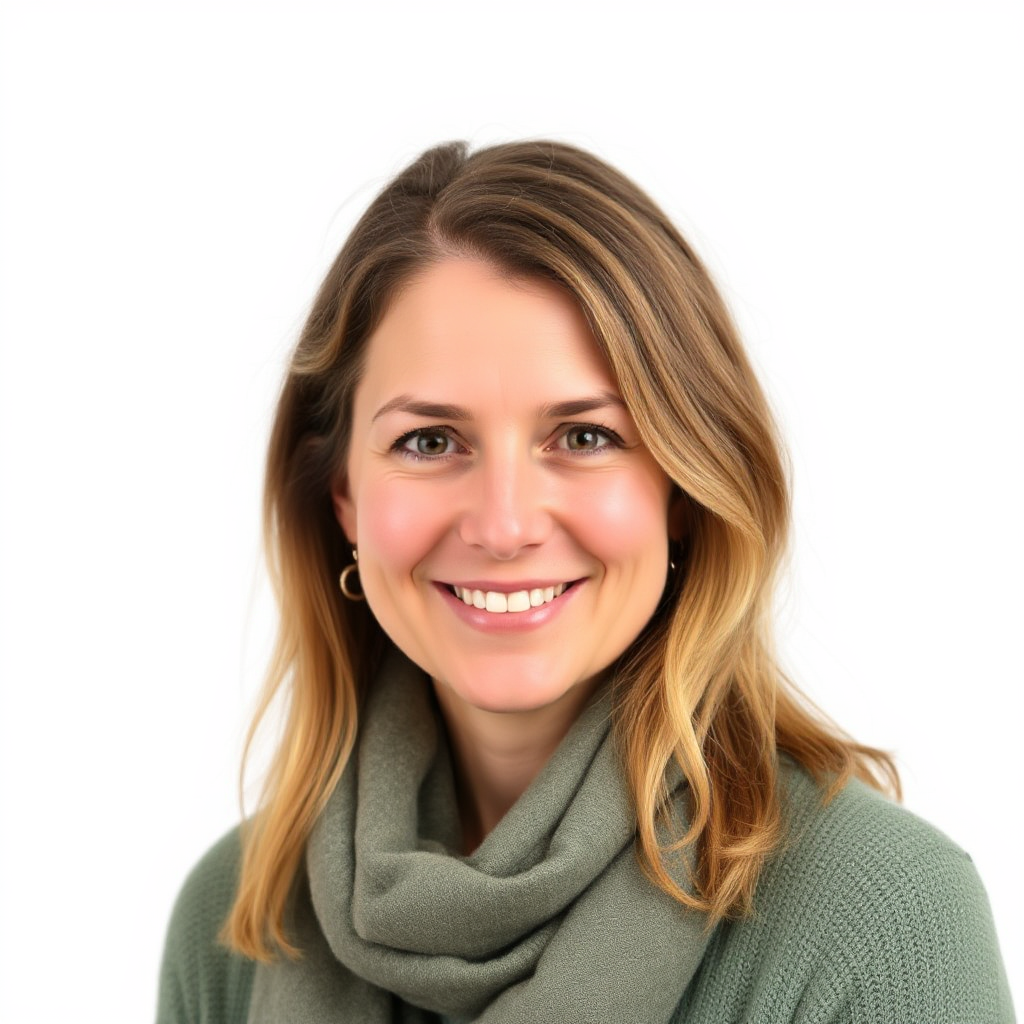
"Once, I went to a community event for kids and found myself sitting beside another politician. He was clutching a bundle of 100 baht notes to give away to the children, while I had arrived empty-handed. How could I compete with that?"
The politician Chutiphong was part of the "idealistic tide" of reform-minded newcomers who shocked Thailand in the previous general election by securing more seats for the progressive Move Forward party than any other party.
This year though, he forfeited his seat in his constituency of Rayong to a opponent from an long-standing political dynasty which has customarily occupied positions of power there.
"In 2023 we were like a storm that overwhelmed and the rival factions were unprepared to fight back. They thought I was merely a obscure candidate. The tide of support for Move Forward in the closing stages of that election truly motivated voters to experiment with something new."
Now re-branded the People's Party, their expectations that they would build upon their previous results were crushed on the rocks of traditional patronage networks which have dominated local politics in Thailand throughout its recent past.
The outcomes are still not finalized, and a several election irregularities are being investigated, but that will not alter the final picture: a steep drop of in excess of 20% in the total of seats gained by the People's Party, and a significant increase by the traditionalist Bhumjaithai party, boosting its portion of seats from 71 in 2023 to an projected 193 in the 500-seat parliament this year.
'They did not spoke to me again'
After securing his seat in 2023, Chutiphong threw himself into his new job, travelling around his constituency hoping to address the challenges of his voters. But he swiftly faced opposition from those working for the entrenched political operators. Worse still, he realized he was required to make substantial contributions, from funds he did not have.
"An invitation was extended to me to a women's rights event - a regular gathering for the community members to join and have fun. But they said if I wished to come, I had to give 25,000 baht. I responded I didn't have that money. They were very unhappy about that and said I was unfeeling. I asked them if there was something else I could do to help out. But they never spoke to me from then on."
What he had encountered was a entrenched system of patronage run by a particular family.
Rayong is best known as a component of the Eastern Economic Corridor, Thailand's largest manufacturing hub, hosting many of the industrial facilities which drive its export-dependent economy. This has drawn laborers from elsewhere from across the country, and also led to an metropolitan populace which is more open to the reformist ideas of the new political wave.
In 2023, Move Forward secured all five seats there.
But a significant portion of Rayong is still agricultural, home to farmers and fruit growers. This is notably the case in District 4, where Chutipong won his seat. He is a local man, but spent a number of years based in California. The province has for a long time been ruled by a prominent local household, the Pitutecha family. This is what is termed in Thailand as "Big House" – big house – politics, and throughout the country it is the way regional influence has always been managed.
Pitutechas run extensive sections of the municipal administration.
Piya 'Chang' Pitutecha, the present patriarch, is the elected head of the Provincial Administration Organisation (PAO), a hugely influential post as the PAO oversees the majority of public funds in Rayong.
Until 2023, Pitutechas had always been among the MPs chosen to parliament, with one serving as the deputy health minister in Bangkok.
Similar to other "Big House" dynasties they have no particular loyalty – over time they have represented five different political parties. They are also prominent in the area's economy, and, in contrast to Chutipong, have plenty of funds to dispense. It was practically hopeless for the rookie MP to challenge.
The "Big House" depend on widespread webs of canvassers - community members who understand their villages, and who rally voters to vote for their candidate. And while it is formally prohibited, they also distribute money before, during, and after elections. They have always been critical to the success of regional candidates, and as a new, largely city-based movement, the People's Party had no access to them.
"So I adjusted my tactics," says Chutipong. "I announced that I would try to address all complaints promptly. If your water doesn't run, your electricity isn't on, your road has potholes, I would assist."
"But the locals who contacted me then faced pressure from the network. Some were chastised in the village's messaging app or via the PA system in the village. They were accused of bringing me - a stranger they said - into the area."
"When I tried to visit factories after hearing some allegations about contamination, I met with a hostile response from nearby residents because they had been accepting payments from these factories."
By the time of the recent electoral contest, the Pitutechas had adapted after their defeat in the last election.
In Districts 3 and 4, they fielded younger members of the family, better educated and with less of godfather image than the senior members. In District 3 they ran under the Democrat party, historically their preferred political partner, but in District 4, thirty-four-year-old Chatchai Pitutecha ran under Prime Minister Anutin Charvirakul's Bhumjaithai party, known for its wealth and its ability in winning "Baan Yai" for his side.
Chutipong was overwhelmed.
The Pitutechas won those positions back from the People's Party, while the progressives retained three seats in Rayong.
"They would have welcomed me if I had provided them money, but I would not be able to do that forever considering my limited resources. I had to choose whether I would be the representative they demanded, or if I would hold onto my ideals and find out if the constituents would


